Assessing Data Demands for 3pl Audit Software
Choosing 3pl Audit Software requires more than contrasting features. Businesses should initially determine whether a platform can approve, organize, and confirm the functional and billing information that shapes their logistics expenses.
A helpful evaluation begins with the information already produced by providers, storage facilities, transport administration systems, venture source preparation platforms, and 3PL companions. Understanding those resources helps groups identify compatibility gaps before execution.
FreightOptics markets 3pl Audit Software.
Start With Operational Data Sources
Operational details gives the context needed to assess whether a fee matches the service that was requested and delivered. Relevant documents might include delivery dates, origin and destination locations, service degrees, package or pallet information, weights, dimensions, tracking identifiers, delivery condition, accessorial occasions, and warehouse activity.
Businesses should assess just how this details is saved and traded. Some partners may provide organized data, while others use system combinations, portals, or standardized electronic papers. During assessment, validate whether the software application can bring these sources with each other without calling for substantial guidebook preparation. It should additionally protect key identifiers so delivery, order, billing, and delivery documents can be linked precisely.
Check Out Billing and Contract Information
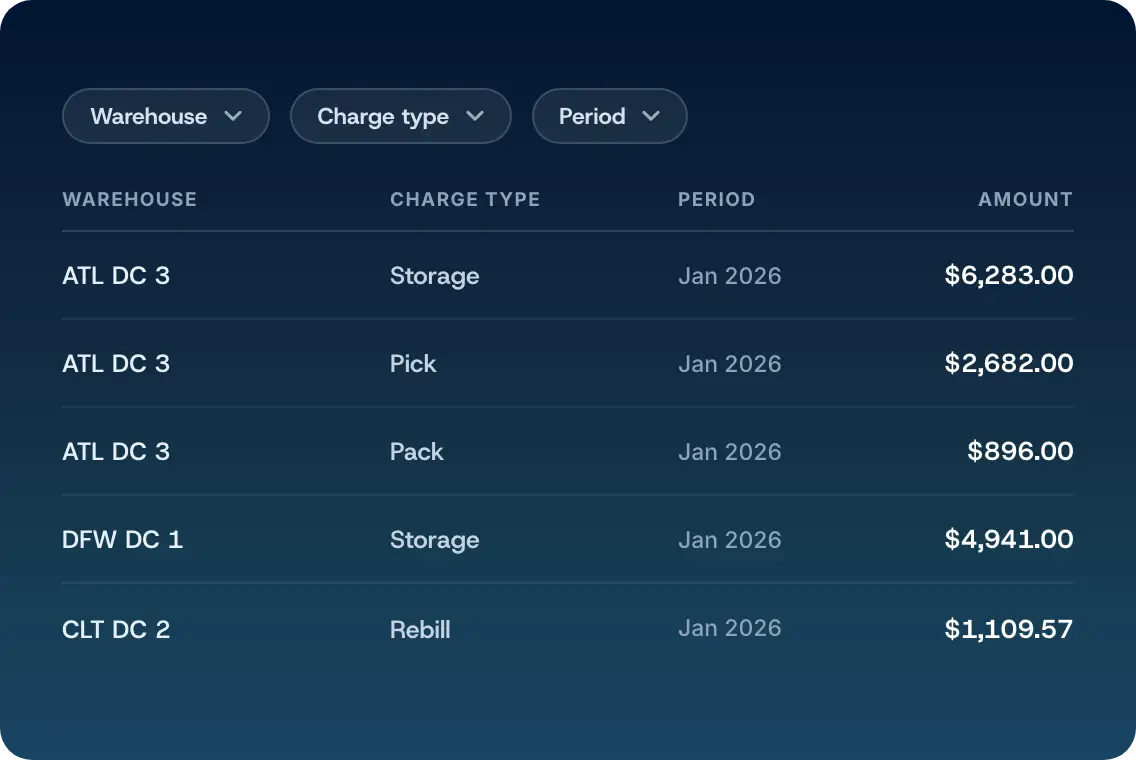
Invoicing information is central to an audit because billings consist of the quantities that require to be checked. Vital areas can consist of invoice numbers, billing dates, delivery referrals, billed services, base transportation charges, gas costs, accessorial costs, tax obligations, credit ratings, adjustments, and settlement condition. For warehouse and satisfaction task, businesses might additionally need storage, managing, pick-and-pack, obtaining, returns, and unique service fee.
Contract and rate information is worthy of equal focus. A system may need to review bargained rates, minimum charges, dimensional regulations, fuel timetables, area interpretations, additional charge conditions, money needs, and effective dates. Ask how these terms are represented and kept, specifically when arrangements vary by carrier, customer, center, lane, or service type. Clear support for versioned regulations can assist ensure an invoice is assessed against the terms that used when the service took place.
Assess Data Quality and Matching Demands
Even qualified audit software application depends upon reliable resource information. Assessment groups should take a look at replicate documents, missing tracking numbers, irregular address styles, clashing weights, device distinctions, insufficient accessorial codes, and date or time-zone inconsistencies. They ought to likewise recognize which areas are mandatory for matching billings to shipments, orders, contracts, and proof-of-delivery details.
A strong examination includes representative examples rather than just tidy test data. Usage ordinary deliveries, exemptions, returns, worldwide activities, multi-package orders, and invoices containing credit reports or challenged costs. This exposes whether the platform can identify partnerships throughout documents and describe why a charge was approved, flagged, or denied.
Take Into Consideration Coverage, Controls, and Data Accessibility
The value of audited data expands beyond discovering private disparities. Organizations 3PL audit platform may need recaps by provider, facility, client, service level, lane, delivery type, or billing period. They may also wish to differentiate recoverable errors from legitimate costs and check recurring issues. Validate that the software can provide beneficial coverage while preserving the transaction-level information needed for testimonial.
Information access and governance ought to be part of the analysis too. Review customer consents, audit histories, export options, retention methods, and the ability to record choices or corrections. These abilities sustain partnership amongst logistics, financing, purchase, and procedures groups without losing the initial document or the thinking behind a change.
Construct an Evaluation List
Before picking a system, develop a list that maps each required information resource and area to an organization purpose. Consist of operational events, invoices, rate agreements, account structures, exception codes, and reporting requirements. Tape-record the expected layout, update frequency, liable owner, and any type of improvement required prior to the information can be utilized.
FreightOptics offers 3rd Party Logistics Audit solutions, and its 3pl Audit Software can be considered alongside the company's current systems, companion needs, and audit procedures. A focused evaluation of data needs assists businesses pick software that fits their operational environment and supports regular, explainable invoicing analysis.
FreightOptics 2200 N Commerce Pkwy #200, Weston, FL 33326, United States +1 800-578-4939
Ends · TREVORNGYI580